
I know nothing.
As a new beekeeper, I'm learning just how much there is to learn. I've taken classes, followed some seasoned “master” beekeepers, collected a small library of books, and I keep on learning. I'm curious by nature, and I really want to do right by our pollinators.
That's especially true here on our lovely peninsula, wrapped by the Pacific Ocean, Willapa Bay, and the Columbia River. Nestled among all that water are our cranberry farms, which depend on pollinators to thrive.
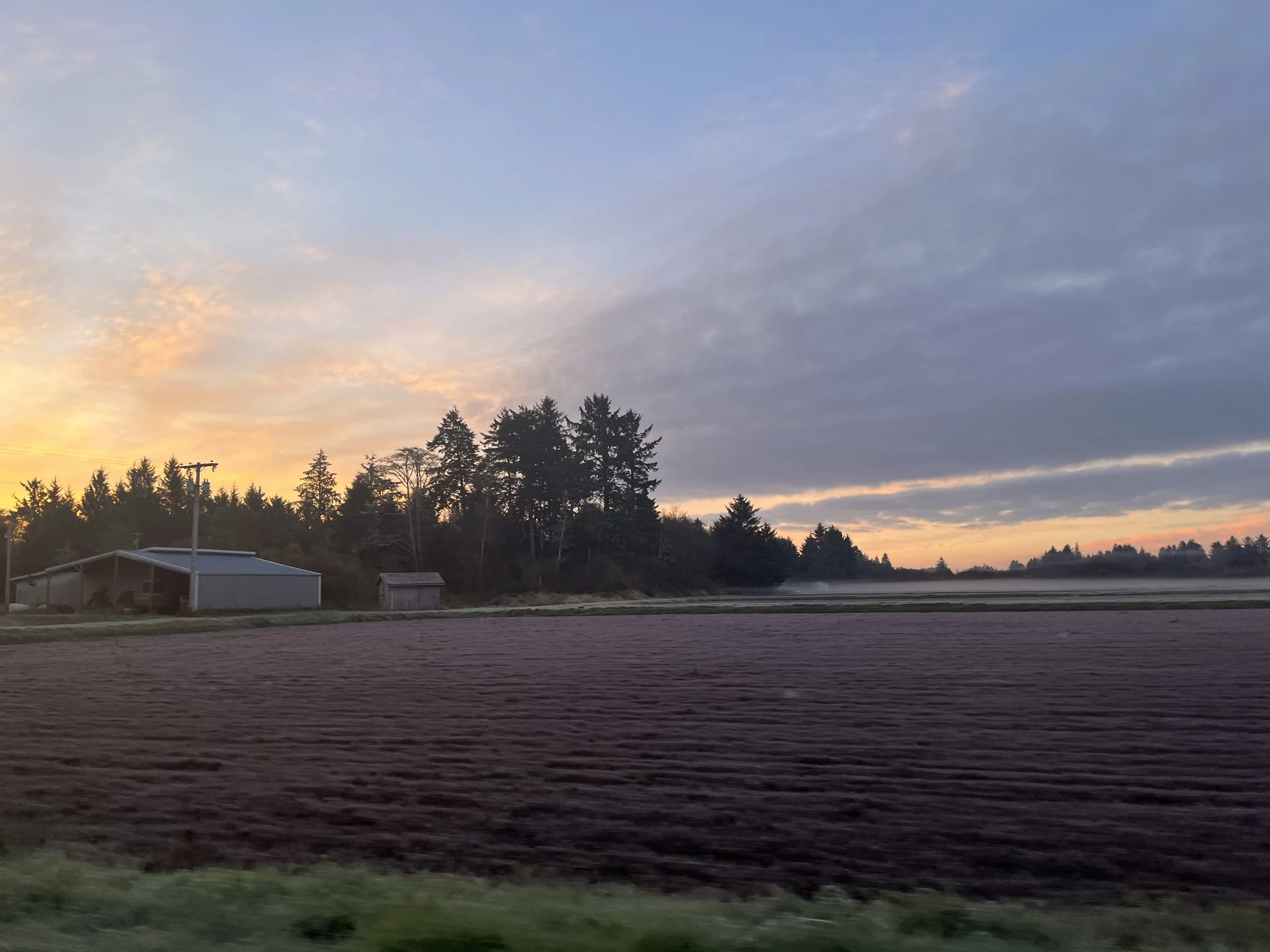
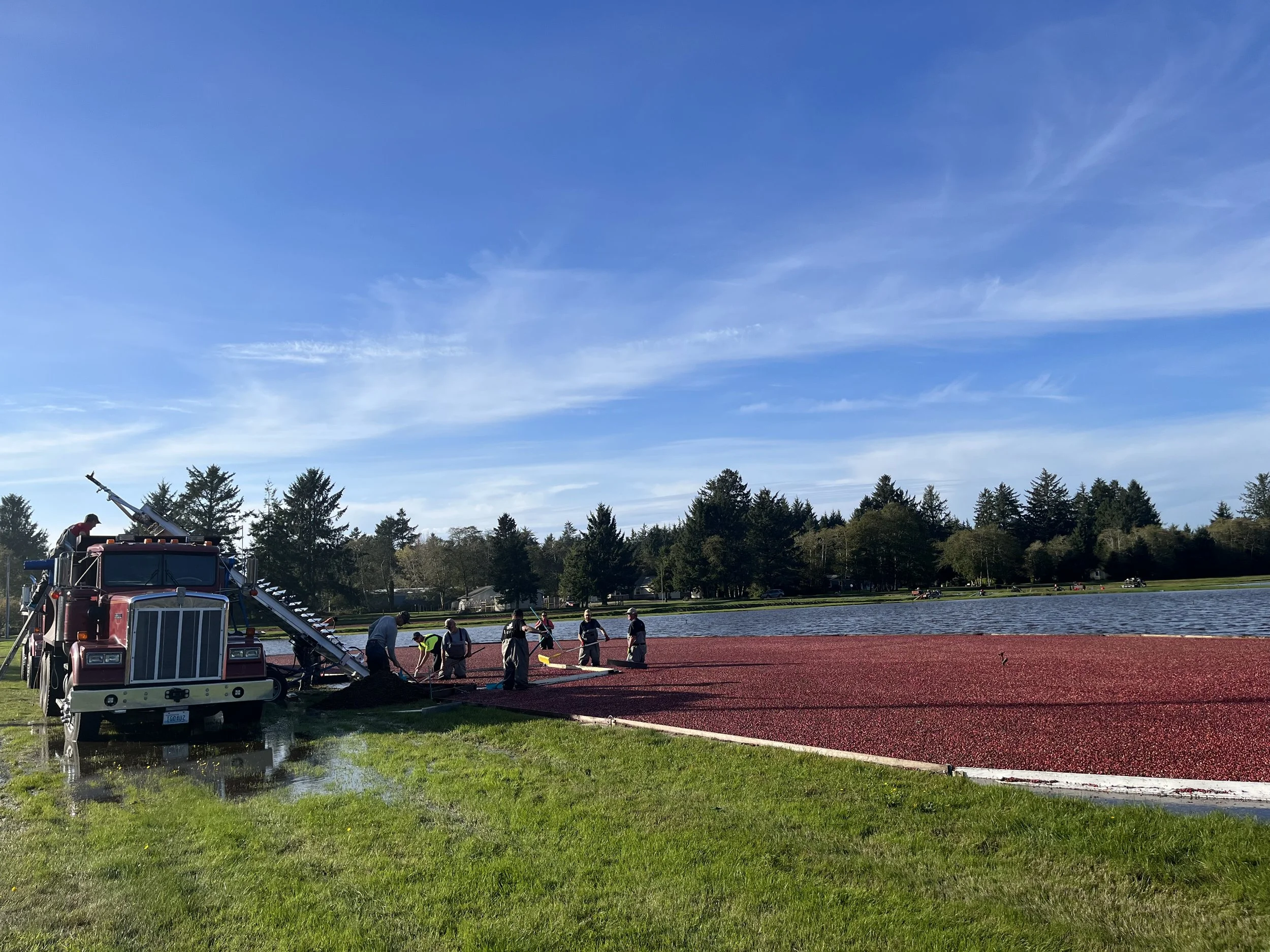
Still, after all the advice, reading, and how-to videos, here's what I keep coming back to: the bees already know what to do. Nobody really “discovered” honey bees. People have been finding them, raiding their nests, and admiring them (some worshipping) for as long as there have been people. Science didn't give them a formal name until 1758, but honey bees were here long before us, and so was their built-in sense of what each season calls for.
So I'm learning from the best teachers of all: the bees themselves.
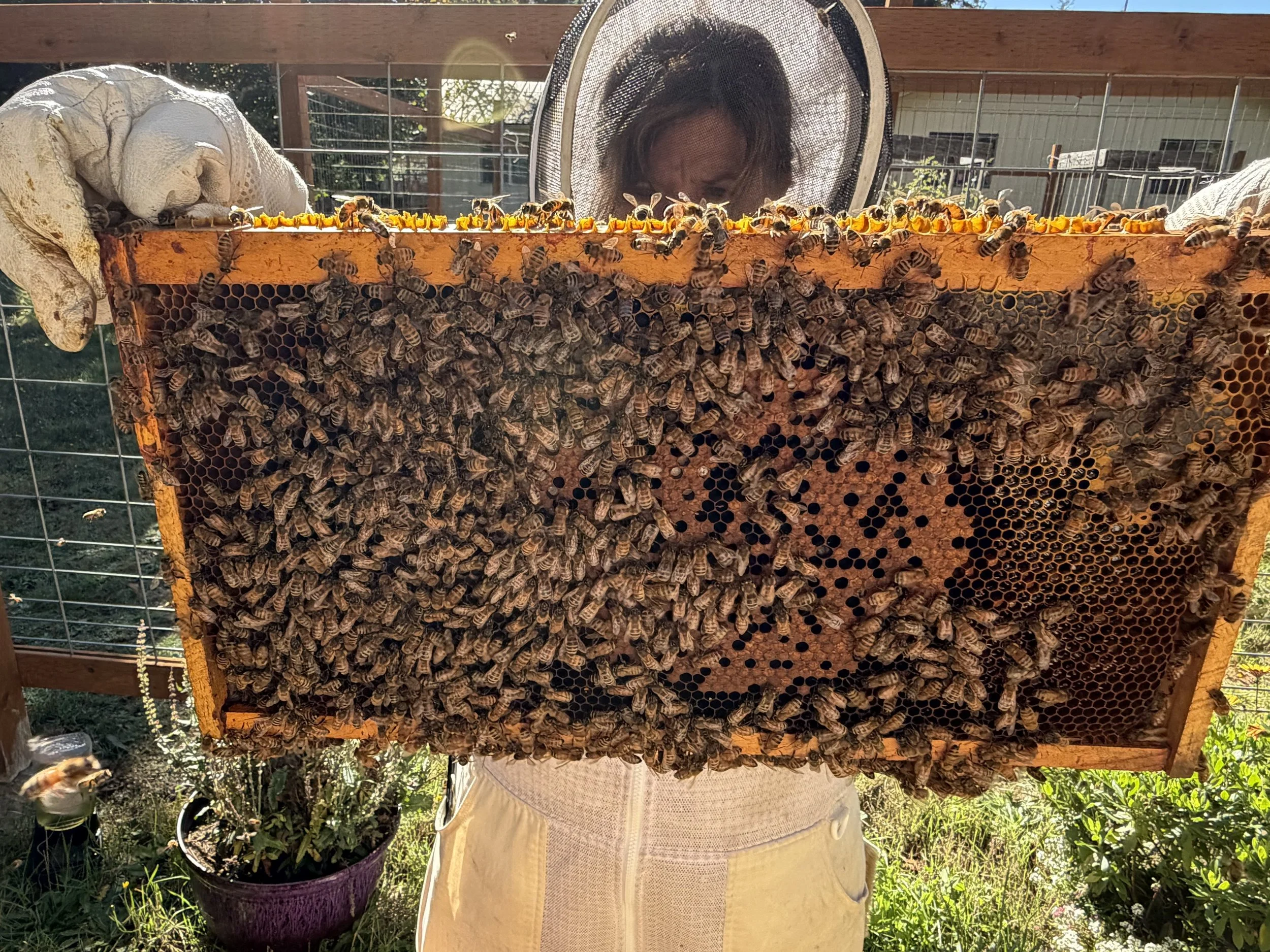
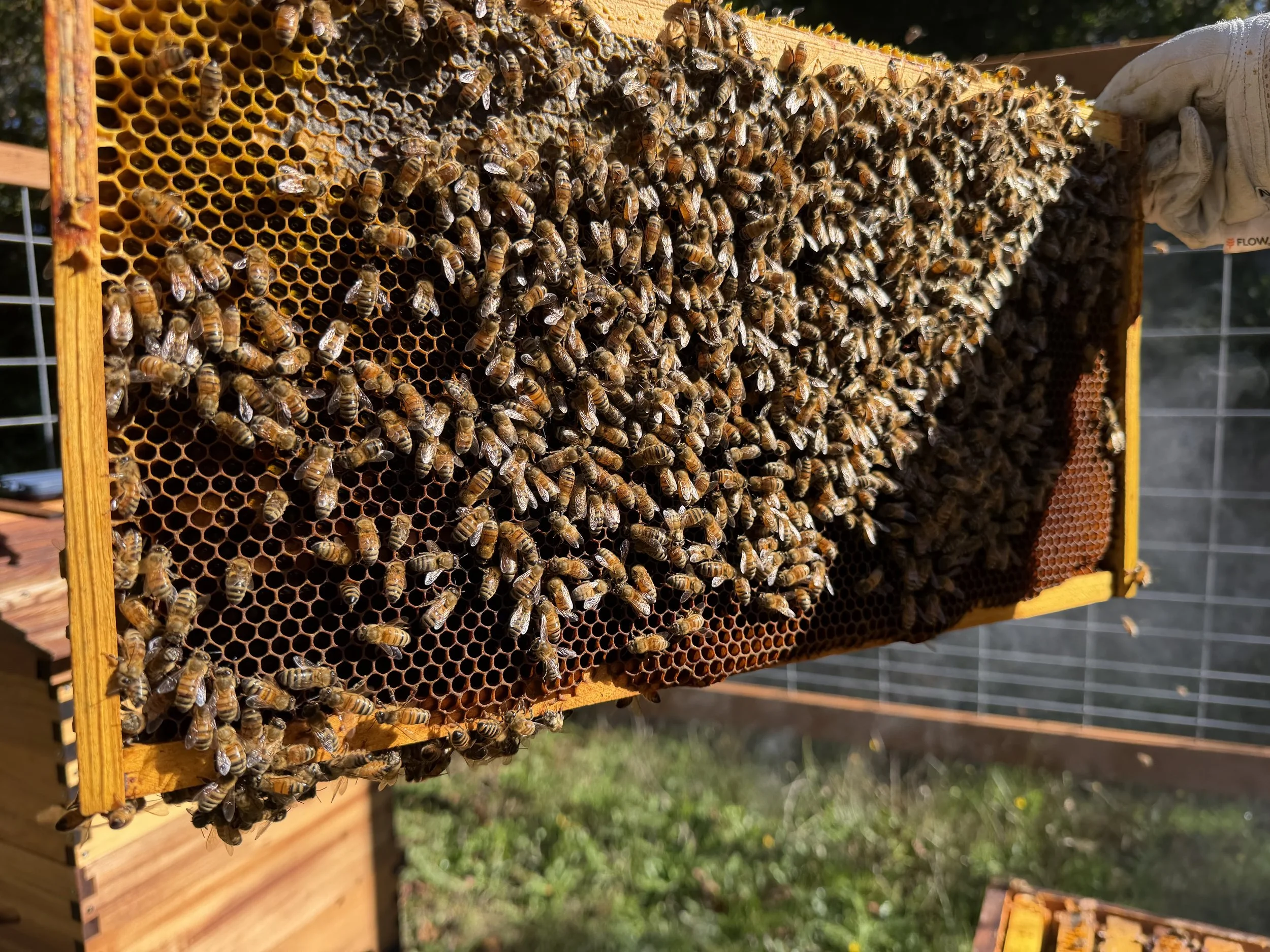
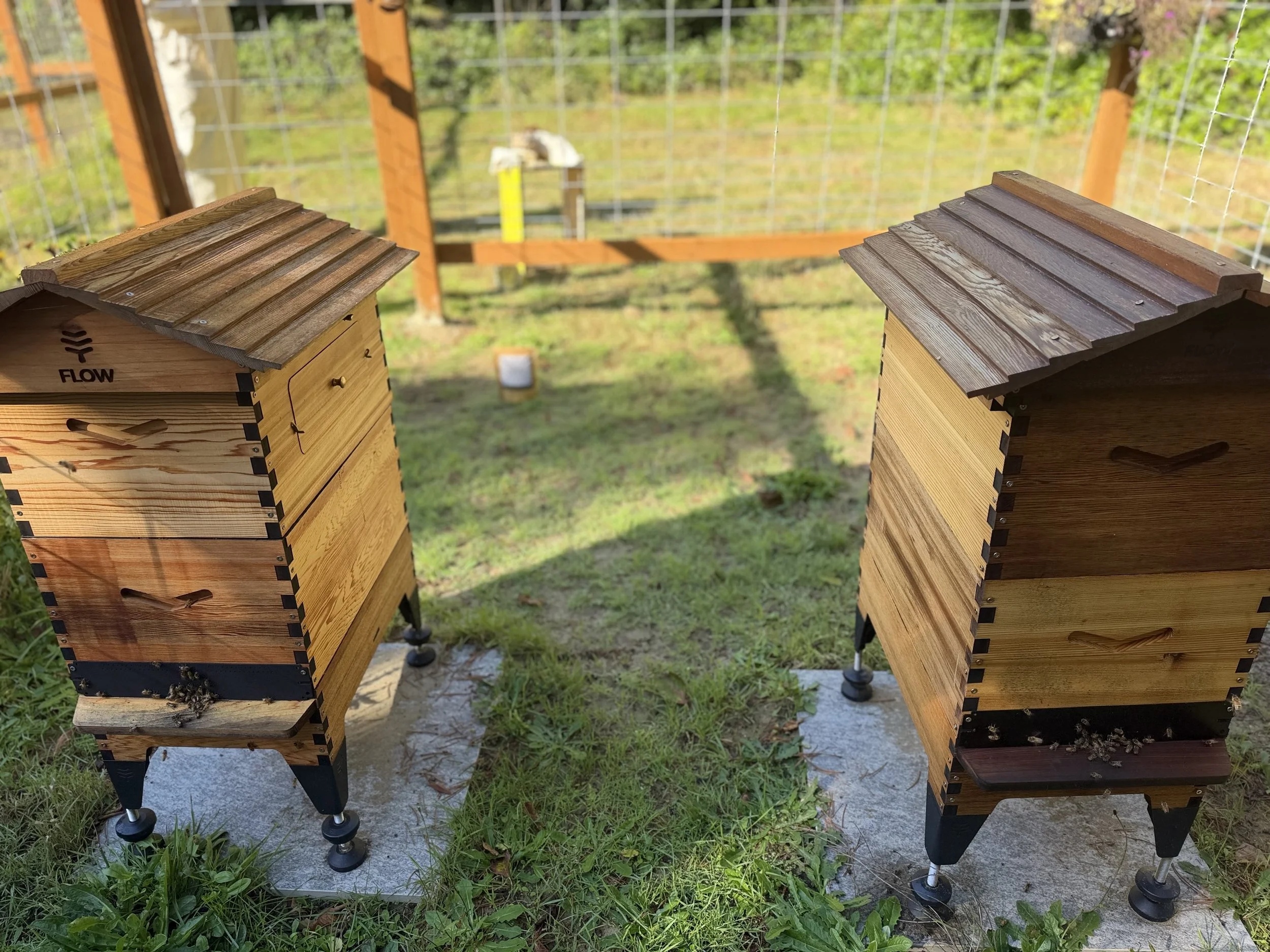
Here's what they're showing me this fall. It's been warmer and drier than usual in our corner of the world, and our girls are still out flying on sunny afternoons. But there's less and less pollen out there to bring home. One hive has noticeably stronger honey stores than the other, so I've started giving both a little extra help with sugar syrup.
Next on my list is wrapping the hives to help buffer them from wind and rain when it finally arrives. I sense this will be tricky given condensation, so I plan to create ventilation. And with this year's “Super El Niño,” who knows what's coming. My best guess is a mild winter with plenty of wind and rain mixed in, but as a PNW native, our weather here can keep you guessing, just like the bees.
As a first-year beekeeper, I know this extra-long season brings some risks. The queen may wear herself out. If a hive decides it needs a new queen, the ladies have kicked out the drones, so there may not “bee” any left around to mate with her. And food stores could run thin before spring.
At this point my best choice is to let nature take its course and support them along the way.
What are you seeing in your hives this fall? I'd love to hear your tips, stories, and lessons learned. Drop them in the comments.
Keep buzzing,
Beachbeesop
